OpenAI and Apple head toward legal clash over ChatGPT on iPhone
The partnership that was supposed to redefine AI on the iPhone is reportedly collapsing as Apple prepares deeper integration with Google in iOS 27 Wha...

Alex RWS
The partnership that was supposed to redefine AI on the iPhone is reportedly collapsing as Apple prepares deeper integration with Google in iOS 27
What only months ago looked like one of the most powerful alliances in the tech industry is now turning into a high-stakes conflict that could reshape the future of artificial intelligence on the iPhone.
The relationship between OpenAI and Apple has reportedly deteriorated dramatically since the announcement that ChatGPT would be integrated into Apple’s AI ecosystem. According to reports from Bloomberg and several industry sources, OpenAI believes Apple failed to honor key strategic and commercial parts of the original agreement. Even more seriously, sources claim OpenAI has already assembled legal teams as tensions escalate behind the scenes.
People familiar with the matter reportedly describe the partnership as “a complete disaster,” with trust between the two companies now largely broken.
The timing could hardly be worse for Apple. The company is currently preparing iOS 27, an update expected to significantly expand artificial intelligence features — potentially with much deeper involvement from Google.
From strategic partners to uneasy rivals
When Apple first announced its partnership with OpenAI, the deal was widely viewed as a turning point for the iPhone maker. For years, Apple avoided relying heavily on outside companies for core platform features. But the rapid rise of generative AI left Cupertino under pressure to move faster.
OpenAI quickly emerged as the ideal partner.
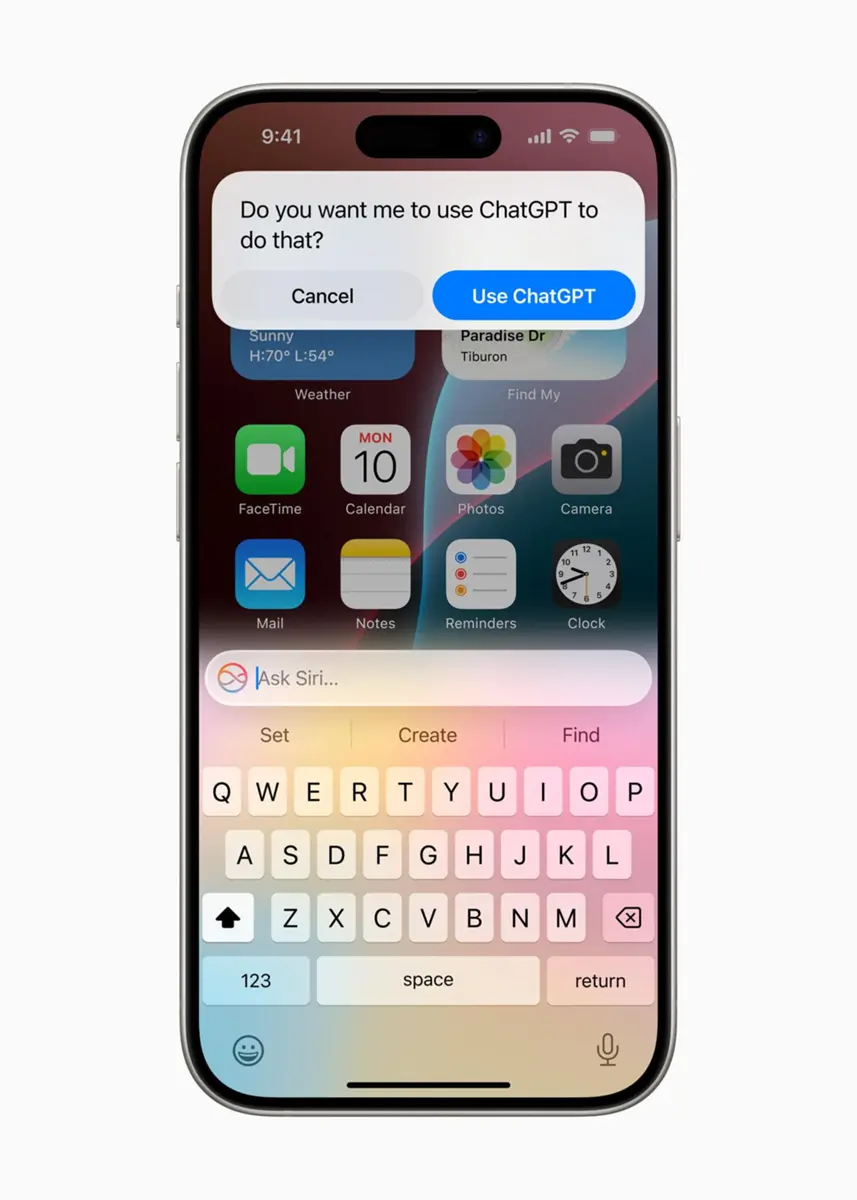
The agreement promised to bring ChatGPT directly to millions of iPhone, iPad and Mac users. For OpenAI, the partnership offered access to the world’s most profitable mobile ecosystem. For Apple, it provided a way to catch up with competitors such as Google, Microsoft and Samsung in the AI race.
But behind the polished presentations and carefully staged announcements, tensions reportedly began building almost immediately.
According to Bloomberg, OpenAI became increasingly frustrated with how limited ChatGPT’s visibility inside iOS actually was. Sources also point to disagreements over data access, user relationships and future revenue-sharing connected to premium AI services.
In short, both companies wanted control over the AI experience on the iPhone.
And neither side appeared willing to give up much ground.
Google’s growing role changes everything
The situation has become even more sensitive because Apple is reportedly accelerating talks with Google to expand the presence of Gemini inside future versions of iOS.
While Apple has not publicly confirmed those plans, several leaks suggest iOS 27 could introduce a much more flexible AI system allowing users to choose between multiple assistant providers.
That possibility fundamentally changes the balance of Apple’s relationship with OpenAI.
Inside OpenAI, there is reportedly a growing belief that Apple used the partnership primarily as a short-term solution while quietly developing its own AI strategy and simultaneously negotiating with other companies.
The prospect of Google gaining broader access to the iPhone ecosystem is especially alarming for OpenAI. Gemini has become one of ChatGPT’s biggest competitors in the battle to dominate consumer AI.
A fight that could reshape Silicon Valley
Although no formal lawsuit has yet been filed publicly, U.S. media reports suggest OpenAI has already explored legal options related to alleged contract violations, service restrictions and potential commercial damages tied to Apple’s decisions.
The dispute also highlights a deeper issue inside the tech industry: major companies want advanced AI capabilities, but none of them want to lose control of their platforms.
Apple has always maintained one of the most tightly controlled ecosystems in technology. OpenAI, meanwhile, depends on reaching massive numbers of users in order to sustain ChatGPT’s explosive growth and cover the enormous costs of AI model development.
For a while, those goals appeared aligned.
Now they increasingly seem incompatible.
Apple faces mounting pressure
Apple has already faced criticism for moving more cautiously than rivals in generative AI. While Microsoft, Google and Meta poured billions into AI infrastructure and consumer products, Apple remained comparatively restrained.
But the market shifted faster than expected.
Consumers now expect advanced AI features in smartphones, operating systems and digital assistants. Apple knows it cannot afford to fall behind in what many see as the next major technological revolution.
That is why iOS 27 is shaping up to be one of the company’s most important software updates in years.
And if the conflict with OpenAI escalates into a legal battle, Apple may find itself facing not only a technology challenge — but also a very public corporate war inside Silicon Valley.