Iran allows Asian ships through Hormuz during Trump’s visit to China
Tehran partially eases maritime restrictions for Asian oil tankers as Trump and Xi discuss the global energy crisis in Beijing Iran has begun allowing...

WorldDepths
Administrator
Tehran partially eases maritime restrictions for Asian oil tankers as Trump and Xi discuss the global energy crisis in Beijing
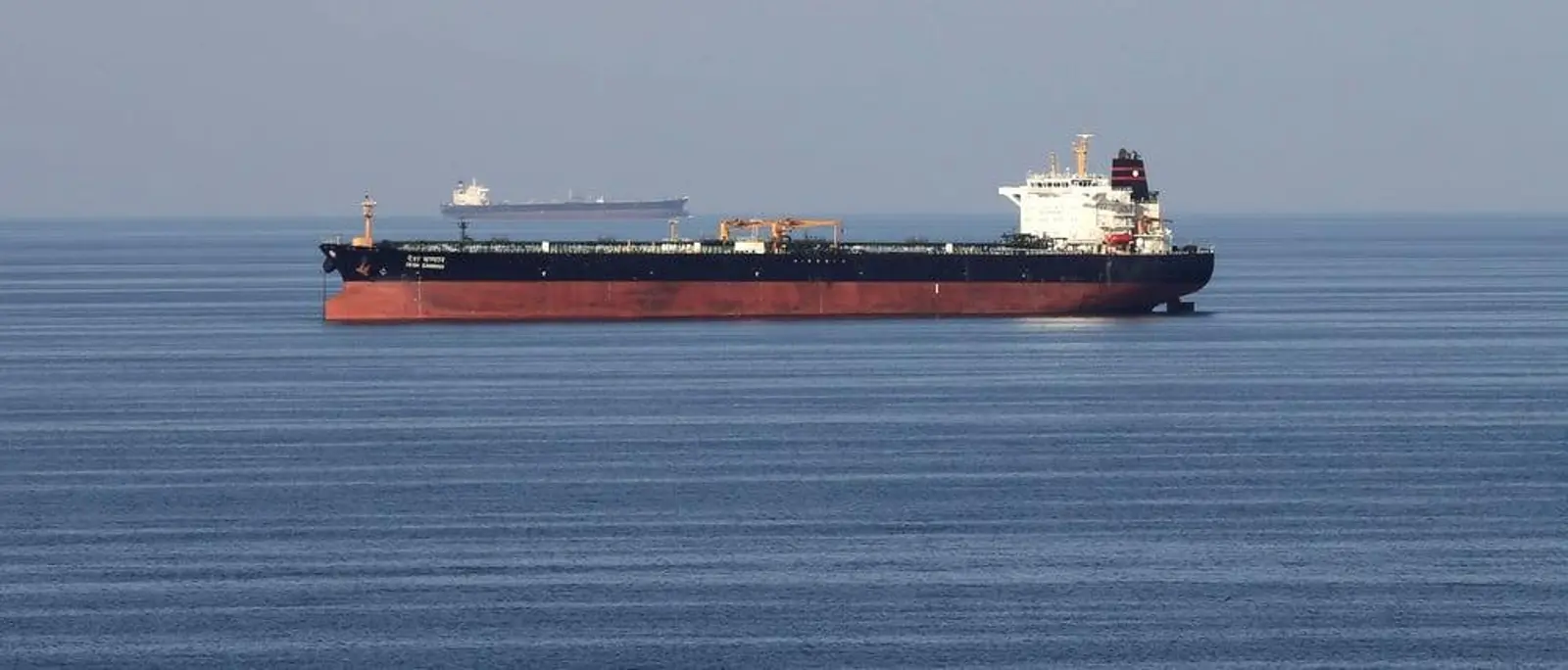
Iran has begun allowing Asian vessels to pass through the Strait of Hormuz during President Donald Trump’s visit to China for talks with Chinese President Xi Jinping. The move represents a partial easing of the maritime restrictions Tehran recently imposed on one of the world’s most critical energy routes.
According to Iranian media outlets linked to the Revolutionary Guard, authorities started authorizing the passage of oil tankers and cargo ships connected primarily to China and, to a lesser extent, Japan late Wednesday night. The vessels are reportedly required to follow maritime corridors monitored by Iranian forces and comply with Tehran’s security protocols.
The decision coincides with the summit in Beijing between Trump and Xi, where both leaders discussed the importance of keeping the Strait of Hormuz open in order to preserve stability in global energy markets. The White House later said both presidents agreed on the need to maintain the free flow of oil and gas through the region.
A gesture toward Beijing amid regional tensions
The Strait of Hormuz remains the world’s most important energy chokepoint. Roughly one-fifth of global oil consumption passes through the narrow waterway located between Iran and Oman.
Since the start of the regional crisis and rising tensions involving Washington, Israel and Tehran, Iran had significantly tightened controls over maritime traffic, fueling international concerns about possible disruptions to global energy supplies.
However, the partial reopening for Asian vessels highlights the strategic importance of China for Iran. Beijing has long been one of the largest buyers of Iranian oil and remains one of Tehran’s most important economic partners.
Iranian news agencies Fars and Tasnim reported that the authorization followed diplomatic contacts between Chinese officials and the Iranian government.
According to those reports, as many as 30 ships crossed the strait with Iranian approval between Wednesday and Thursday, although the exact figure remains difficult to verify because many vessels reduce or alter their AIS tracking signals while passing through the area.
China moves to secure energy supplies
The situation is particularly significant for China. Nearly half of the country’s imported oil passes through the Strait of Hormuz, making any disruption there a direct threat to the Chinese economy.
Analysts say Tehran’s partial easing of restrictions is aimed at protecting its strategic relationship with Beijing and avoiding additional tensions with China during an already volatile regional crisis.
At the same time, Iran continues to maintain restrictions on ships considered linked to “hostile” countries, particularly vessels associated with the United States and Western allies.
Iran’s Revolutionary Guard continues to oversee the maritime corridors operating in the area and closely monitors the passage of authorized vessels.
Pressure on global markets continues
The Hormuz crisis continues to generate major volatility in international markets. Maritime insurance premiums have surged, while several shipping companies have started rerouting vessels or reducing operations in the Persian Gulf.
Although the partial reopening for Asian ships may temporarily ease pressure on global energy supplies, analysts warn the situation remains highly fragile.
Maritime incidents have also continued across the region in recent weeks, increasing fears of a broader military escalation that could further disrupt global trade.
Meanwhile, international diplomacy is working to prevent the crisis from spiraling further out of control.
And amid that growing tension, the Strait of Hormuz is once again reminding the world why it remains one of the most strategically sensitive locations in the global economy.